
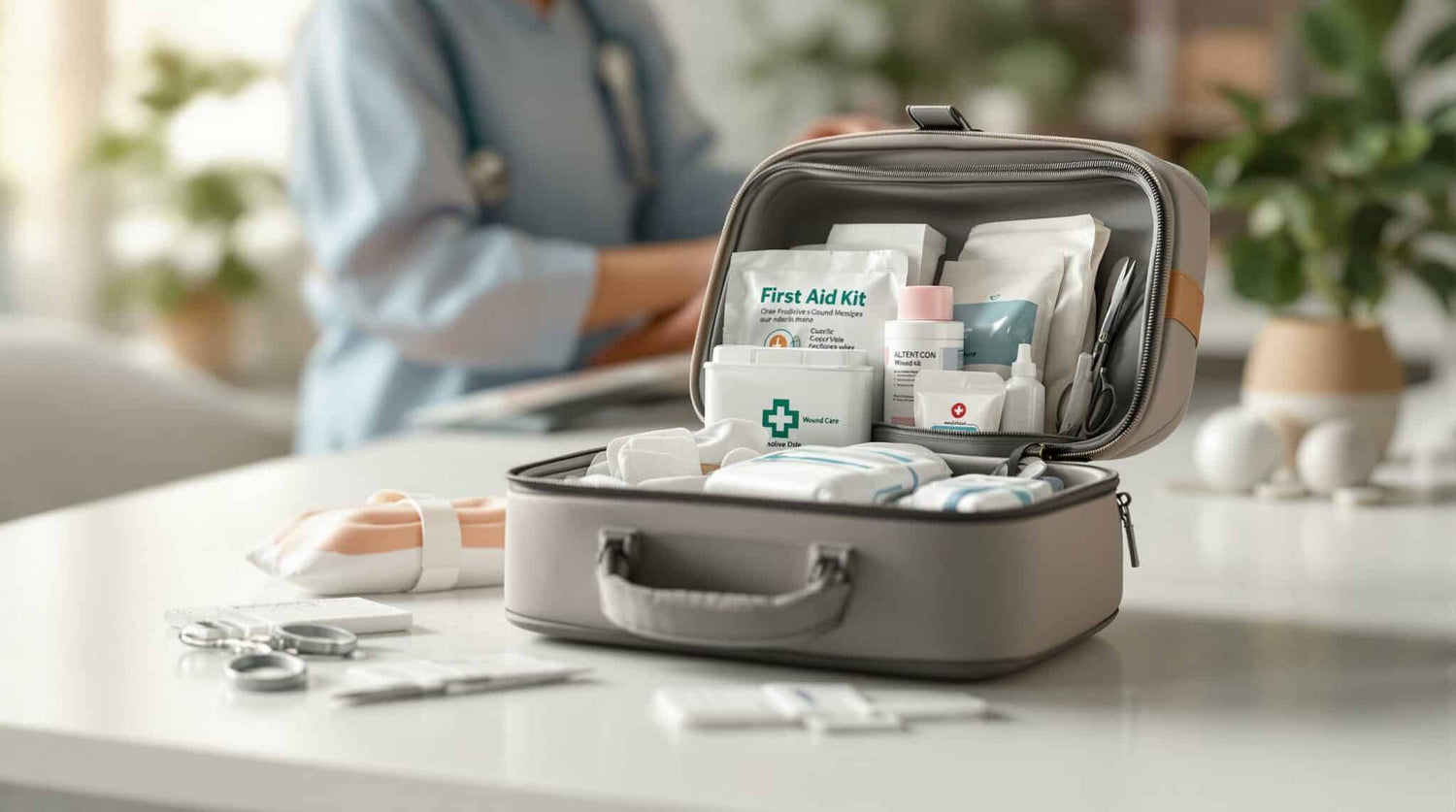
Wound Care: The 10 Most Common Questions Answered
Proper wound care is crucial for fast healing and infection prevention. Here are the key points:
Mepilex conformable foam dressing 10 x 10 cm, 1 pack = 5 pieces
Cutiplast sterile wound dressing, 7.2x5 cm (100 pieces)
Key Takeaway:
- Wound Cleaning: Use sterile water or saline solution, clean gently.
- Dressing Changes: Frequency depending on wound type (e.g., acute: every 1-2 days, chronic: daily to every 2 days).
- Recognizing Signs of Infection: redness, swelling, pus, fever – see a doctor immediately if suspected.
- Moist vs. Dry Healing: A moist environment promotes faster healing and fewer scars.
- Showering with a Wound: waterproof dressings use, avoid direct water jet.
- Dressing selection: Matched to the wound (e.g., foam dressings for heavily draining wounds).
- Healing time: Dependent on wound type, health and care – often 4-6 weeks.
Comparison: Moist vs. Dry Wound Healing
| Method | Advantages | Suitable for |
|---|---|---|
| Moist healing | Faster healing, fewer scars | Chronic wounds, burn wounds |
| Dry healing | Easy application | Small, superficial wounds |
For optimal results: check wound care regularly, sterile materials and seek medical advice if problems arise.
Wound care at home: Aseptic wound dressing
1. What are the most important steps of wound care?
"Proper wound care is crucial for infection prevention and healing promotion. It includes not only cleaning and dressing, but also continuous monitoring for signs of infection" .
How do you clean a wound properly?
To clean a wound optimally, you should use sterile water or saline solution. The following steps are important :
- Disinfect hands and gently clean the wound with a sterile compress.
- Do not apply strong pressure to avoid irritating the tissue.
Use of antiseptics
When using antiseptics, you should observe the following points:
- Apply the antiseptic evenly.
- Observe the exposure time to achieve the full effect.
- Avoid excessive use, as this can damage the tissue.
Use of the Maimed Pad sterile absorbent compress
The Maimed Pad absorbent compress sterile is a modern wound dressing with several advantages:
| Feature | Benefit |
|---|---|
| Sterility | Prevents the penetration of germs |
| Absorbency | Reliably absorbs wound exudate |
| Protective function | Protects against external influences |
| Breathability | Enables air exchange |
Application:
- Place the compress gently over the entire wound surface.
- Secure with suitable dressing material without pressing too hard.
Moist wound healing can accelerate the healing process and reduce scarring. Check the dressing regularly and change it if necessary, especially if it is soaked or soiled. The frequency of dressing changes is just as important as choosing the right materials.
2. How often should a wound dressing be changed?
The frequency of dressing changes is an important factor for wound healing and should be individually adapted to the condition of the wound. Acute, chronic, and draining wounds require different intervals to avoid infections and optimally support healing.
How the wound type determines the change rhythm
The type of wound influences how often the dressing should be changed:
| Wound type | Recommended change frequency |
|---|---|
| Acute wounds | Every 1-2 days |
| Chronic wounds | Daily to every 2 days |
| Heavily draining wounds | Several times daily |
| Minimally draining wounds | Every 2-3 days |
When a dressing change is necessary
A soaked or soiled dressing can increase the risk of infections and delay healing.
A change is required if the dressing is soaked, soiled, or loose, smells unpleasant, or if increased pain or redness occurs.
Hydroactive bandages are a good option because they absorb wound exudate and can extend the change intervals. Regular checks help to recognize complications early and support healing. Observing signs of infection is also a central part of wound care.
3. How do you recognise an infected wound?
It is important to notice signs of infection early to avoid endangering the healing of the wound.
Symptoms of an infected wound
Here are some typical signs that may indicate an infection:
| Symptom | Description |
|---|---|
| Redness and swelling | Notable redness or swelling around the wound |
| Heat and pain | Noticeable warming and increasing pain in the affected area |
| Discharge | Purulent or unpleasant-smelling discharge |
| General condition | Occurrence of fever or general malaise |
When should you see a doctor?
In these cases, medical support is urgently required:
- Spread of redness and swelling, despite proper care.
- Occurrence of fever or severe malaise.
- Worsening odour from the wound.
- Increasing pain in the area of the wound.
- Purulent or discoloured discharge.
Regular inspection of the wound is particularly important, especially for chronic wounds or for people with a weakened immune system. Sterile materials and suitable disinfectants can help to minimise the risk of infection.
Proper care and the selection of suitable materials play a major role in avoiding infections.
4. What is the difference between dry and moist wound healing?
The choice of the right method significantly influences the healing process. While dry wound healing used to be common, modern medicine increasingly relies on the benefits of moist wound healing.
| Method | Features | Suitable for |
|---|---|---|
| Dry healing | - Wound dries out quickly - Scab formation - Slower healing process |
Small, superficial wounds |
| Moist healing | - Promotes an ideal wound environment - Faster regeneration - Less scarring |
Chronic wounds, burns |
Why moist wound healing is more effective
"Wounds heal faster in a moist environment."
A moist wound environment supports healing through:
- promotion of new skin cell formation
- support of natural wound cleansing
- protection of sensitive nerve endings
Use of Maimed non-woven compresses non-sterile
The non-sterile Maimed non-woven compresses are specially developed for moist wound care. They provide an ideal wound environment and reliably absorb excess secretions. For chronic wounds, regular changing of the compresses is important to maintain moisture and prevent infections.
In addition to the healing method, protection of the wound, for example when showering, should also be considered.
sbb-itb-ff558d6
5. Can you shower with an open wound?
The right wound care when showering plays an important role in the healing process.
| Showering situation | Recommended Measures | To avoid |
|---|---|---|
| Fresh wound | Waterproof dressing, short shower duration | Direct water jet |
| Healing wound | Gentle water jet, lukewarm water | Hot water, harsh soaps |
| Chronic wound | Waterproof protection, particular care | Longer water contact |
Tips for protecting the wound when showering
Waterproof bandages such as Maimed Plast Elastic can effectively protect the wound. The following points should be observed:
- Use waterproof wound dressings to keep the wound dry.
- Shower only with lukewarm water and use mild, fragrance-free soaps.
If the dressing becomes damp after showering, change it immediately.
When is water contact harmless for a wound?
Direct water contact is only unproblematic once the wound has completely healed and no redness or swelling is visible anymore.
Particular care is required with:
- Freshly sutured, chronic or infected wounds.
Besides protection when showering, choosing the right dressing is also crucial for optimal healing.
6. How long does wound healing take?
The duration of wound healing depends on various individual factors. The process progresses in several phases and can take 4-6 weeks under ideal conditions.
| Healing phase | Timeframe | Characteristics |
|---|---|---|
| hemostasis | Immediate | Blood clotting and wound closure |
| inflammation | Up to 2 weeks | Swelling and redness |
| Proliferation | Several weeks | Formation of new tissue |
| Remodeling | Up to 12 months | Scar formation and tissue strengthening |
What influences the healing time?
Several factors can influence the healing speed:
- Wound characteristics: The size, depth, and blood circulation of the wound play an important role.
- Patient factors: Age can slow down healing, as older people often need longer.
- Health status: Chronic diseases such as diabetes can significantly delay the process.
- Nutrition: Adequate nutrition with nutrients such as proteins, vitamin C, and zinc is essential.
Signs of delayed healing
The following symptoms can indicate delayed healing:
- Persistent or increasing pain
- Severe redness or heat around the wound
- Unpleasant discharge or pus
- Dark discolorations at the wound edges
- Fever or general malaise
After about 3 months, newly formed tissue reaches approximately 80% of its original strength. Sterile compresses such as the Maimed Pad sterile absorbent compress can support the healing process in every phase.
Choosing the right dressing is equally important to effectively promote healing.
7. Which dressing should you use for your wound?
Choosing the right dressing plays a major role in successful wound healing. Depending on the type and condition of the wound, different materials may be required to support the healing process.
How do you find the right dressing?
When selecting the right dressing, you should consider the specific needs of your wound. Factors such as the depth of the wound, the amount of wound fluid (exudate), and the location of the injury are crucial.
| Dressing type | Features | Suitable for |
|---|---|---|
| Foam dressings | Highly absorbent | Heavily draining wounds |
| Hydrocolloid dressings | Promotes a moist environment | Superficial wounds |
| Special dressings | Breathable | Chronic wounds |
Advantages of Maimed Plast Elastic
The Maimed Plast Elastic offers several practical benefits:
- Flexibel: It adapts easily to body areas with a lot of movement and is suitable for wounds of various sizes.
- Breathable: Supports healing through breathable material.
Tips for changing the dressing
Hygiene is particularly important when changing the dressing. Use sterile gloves or wash your hands thoroughly. Be careful not to apply the dressing too tightly, so as not to restrict blood circulation.
Change the dressing if:
- It is soaked through.
- Pain increases.
- The wound is reddened or swollen.
- An unpleasant odor occurs.
Regular inspection of the wound is just as important as choosing the right dressing to optimally support the healing process.
Conclusion: Key Insights on Wound Care
Proper wound care supports healing and helps avoid complications. The selection of appropriate materials is crucial for the healing process.
Practical Tips for Wound Care
"A moist environment accelerates wound healing."
| measure | Recommended Products |
|---|---|
| Thorough Disinfection | Antiseptic Solutions |
| Sterile Dressing | Maimed Pad Absorbent Compress Sterile |
| Moist Wound Environment | Maimed Nonwoven Compresses |
| Flexible Protection | Maimed Plast Elastic |
Selecting Appropriate Wound Care Products
Parahealth offers a selection of sterile compresses, elastic plasters, and nonwoven compresses suitable for various wound types. Be sure to observe hygiene rules and regularly monitor the healing process. If signs of infection or delayed healing occur, seek medical advice immediately.
Parahealth provides you with high-quality products that are specifically tailored to different wound types. This way you can ensure that wound care is successful.
FAQs
Here are some of the most common questions about wound care that provide important information.
How do you clean and dress a wound properly?
First, you should wash your hands thoroughly. Then gently remove any dirt or foreign bodies using sterile materials. A thin layer of antibiotic ointment or Vaseline can help protect the wound and support healing.
What are the 7 steps of wound care?
Wound care includes these steps: thorough hand washing, stopping the bleeding, cleaning the wound, applying an antiseptic, covering it with a sterile dressing, regular dressing changes, and watching for possible signs of infection.
What are the 7 types of wound dressings?
Wound dressings include gauze compresses, hydrocolloid bandages, foam bandages, and hydrogel bandages. The choice depends on the type of wound and its condition.
What is the most commonly used wound dressing?
Textile bandages are particularly common and are often used for minor injuries such as abrasions or cuts. However, the choice of the right dressing always depends on the type of wound and the healing process.
"A moist environment speeds up wound healing and supports the natural healing process."
For heavily draining wounds, the Maimed Pad Saugkompresse steril is an excellent choice. The Maimed Vlieskompressen help maintain a moist wound environment. For flexible protection, the Maimed Plast Elastic offers an ideal solution.
You can find more information on wound care and suitable products in the previous sections of this article.
Related Blog Posts
- Identifying Iron Deficiency: Home Testing & Diagnosis
- 7 Important Hygiene Standards for Care Facilities
- Vitamin D Test at Home: Step-by-Step Guide
- Flu / Influenza Symptoms: How to Recognize Them
Related Collections
Recommended Products
